


Shrimp is one of the most popular seafood ingredients in cuisines all around the world. It stands out for its delicate flavor and versatility, making it the star of countless dishes, from simple recipes to gourmet preparations.
But there’s one detail that always raises questions among home cooks: the so-called “shrimp vein.” At first glance, that dark line running along the back of the shrimp looks like a vein, but anatomically, it isn’t.
In reality, it is the shrimp’s digestive tract or intestine, and it may contain remnants of what the shrimp consumed before being caught. This tract can vary in color, from brown to almost black, depending on its diet and environment.
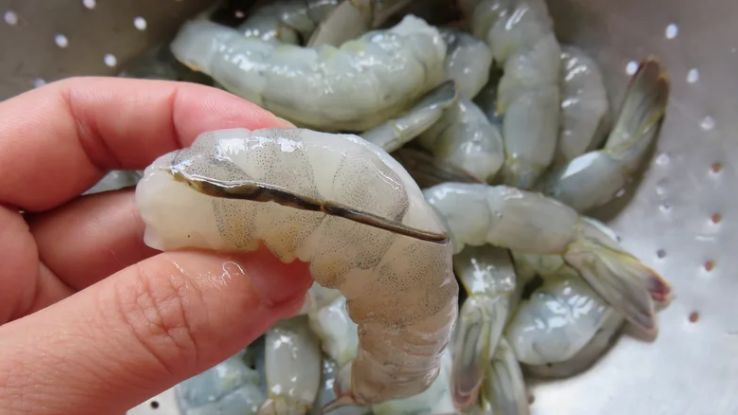
Should it always be removed?
The short answer is it’s not mandatory, but it is recommended. This “vein” does not pose a health risk if the shrimp is fresh and properly cooked, as heat eliminates bacteria and reduces risks.
However, many chefs and cooks agree that removing the digestive tract improves the eating experience, since it can sometimes have a slightly bitter taste or a gritty texture if it contains sediment. This largely depends on the shrimp’s diet.
Visually, shrimp without the dark line look cleaner and more appealing, which is especially important in dishes like shrimp cocktail, ceviche, or refined presentations.
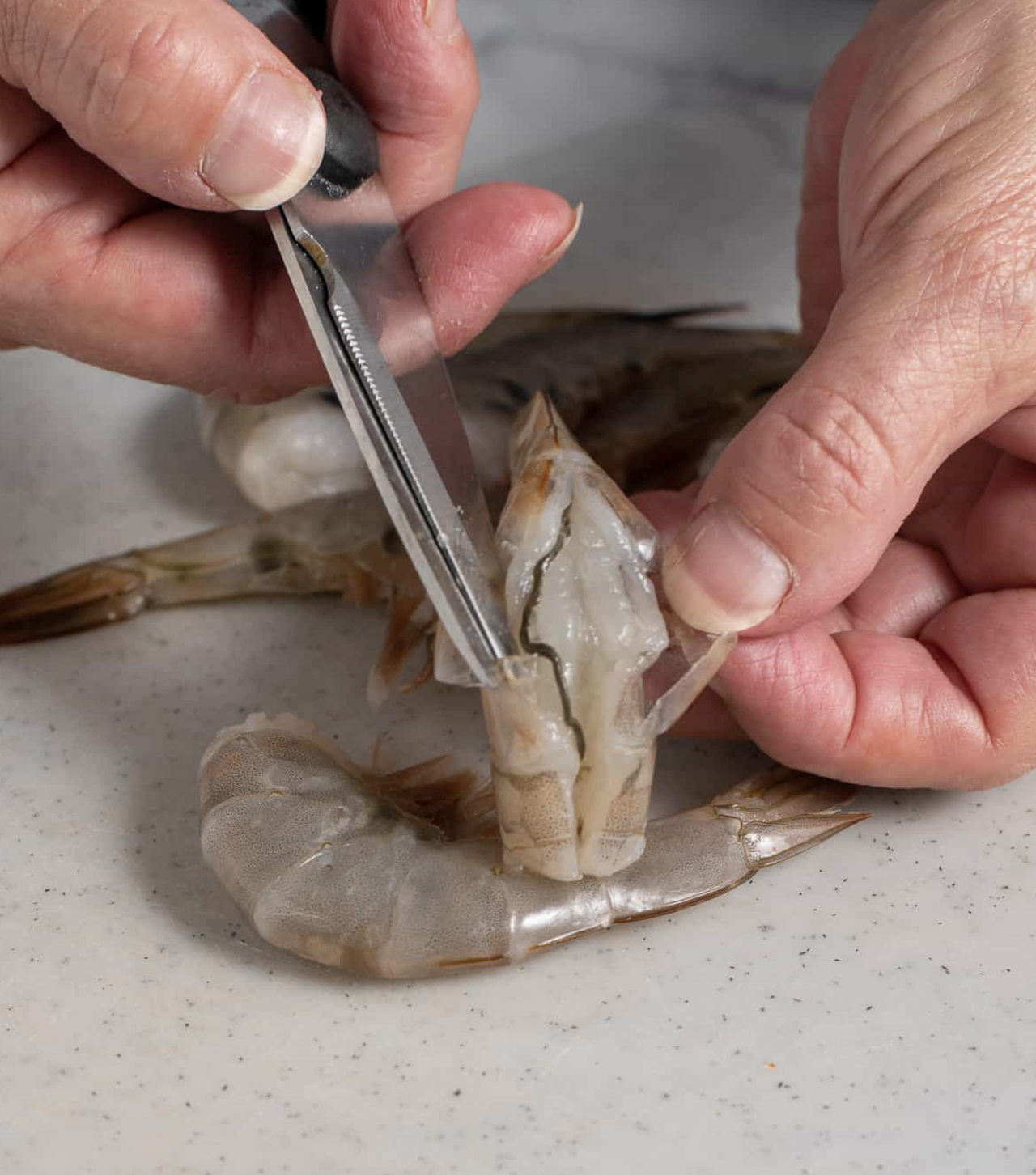
How to remove the shrimp vein
Removing the vein is simple and can be done with basic tools you likely already have at home:
– Make a shallow cut along the back using a small, sharp knife
– Locate the dark vein just beneath the surface
– Lift it out using the tip of the knife, a toothpick, or tweezers
– Rinse under cold water to remove any residue
You can also use a toothpick or even dental floss to hook and pull the vein out without opening the shrimp too much, helping it keep its shape.
What happens if you don’t remove it?
If you decide to leave it, it won’t harm you as long as the shrimp is properly cooked. However, you might notice a slightly gritty texture or stronger flavor, especially in larger shrimp.
In smaller shrimp, it’s often barely visible and not noticeable when eating. There’s also another “cord” you shouldn’t confuse it with. Besides the digestive tract along the back, shrimp also have another line on the underside.
This is the nerve cord, which is thin, light in color, and does not need to be removed, as it doesn’t affect taste or texture.
The well-known “shrimp vein” is not actually a vein, but the shrimp’s intestine. While it’s not dangerous to eat if the shrimp is fresh and well cooked, removing it significantly improves the culinary experience in terms of flavor, texture, and presentation.