


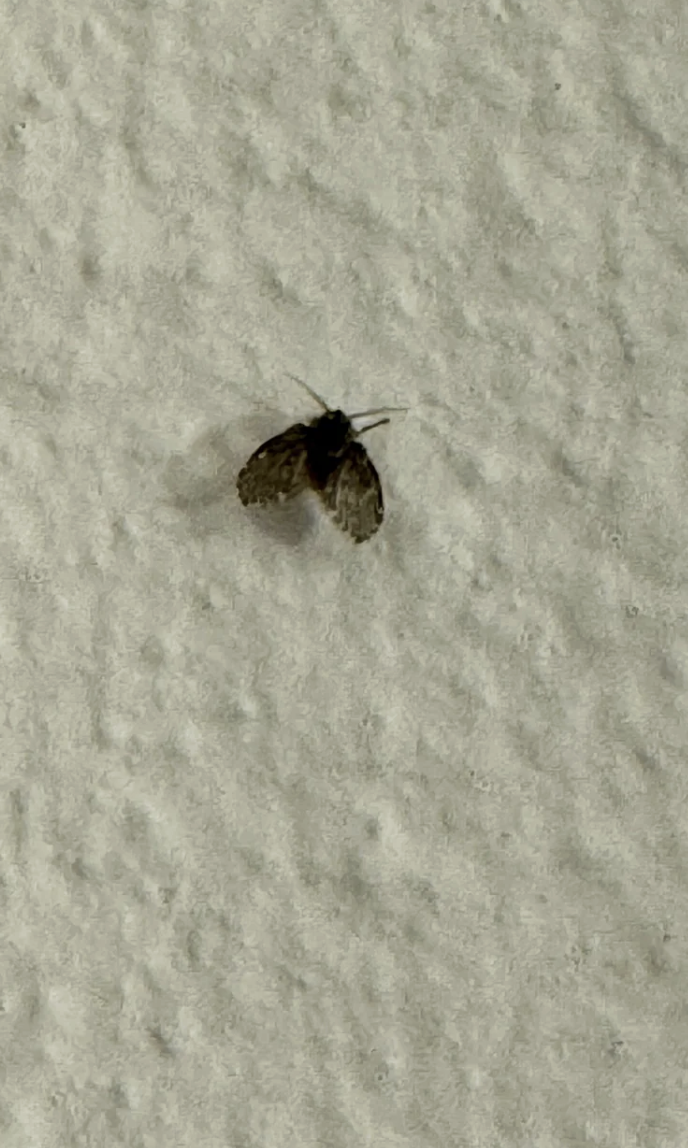
The shower fly, also known as a drain fly or moisture fly, is a small insect that usually appears near the shower drain, bathroom sink, or kitchen sink.
Its presence almost always indicates one thing: there is moisture and organic residue accumulated inside the pipe. Although it is usually not dangerous, it can become a nuisance if the source of the problem is not eliminated.
How to identify shower flies
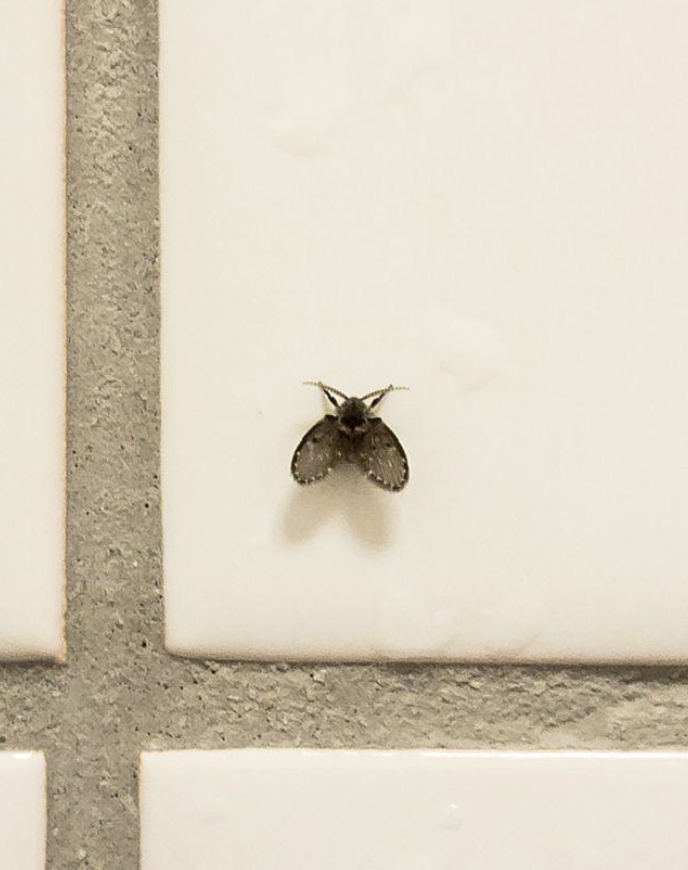
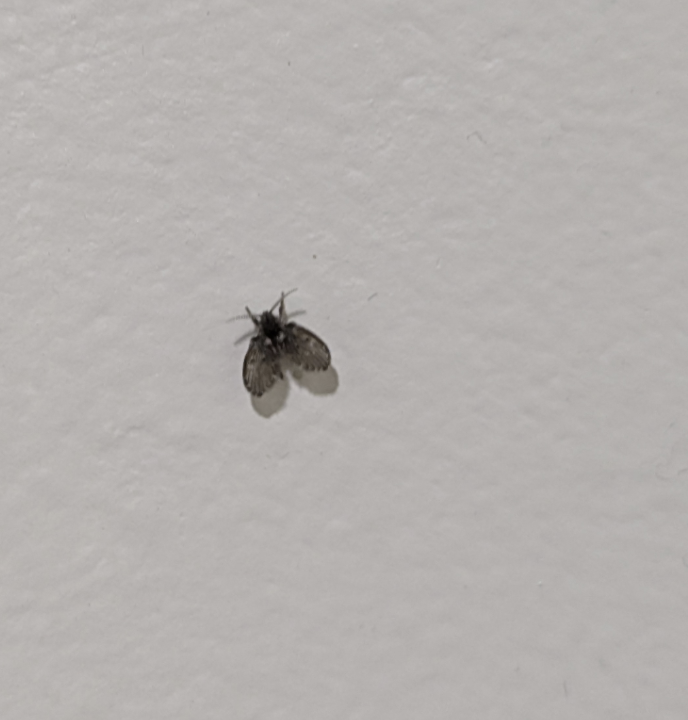
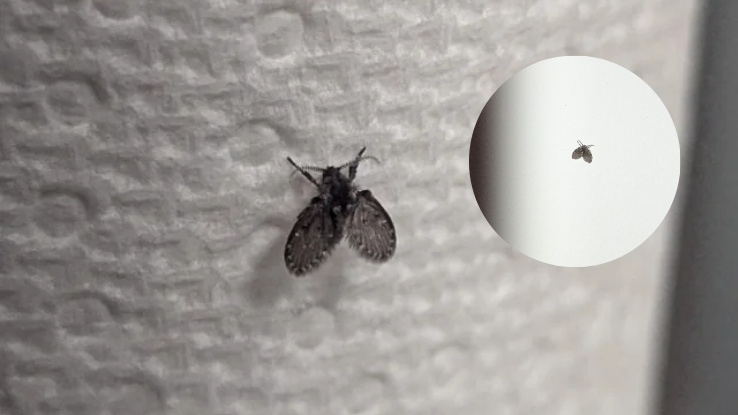
The shower fly is small, gray or dark brown, and its wings have a fuzzy appearance, similar to a tiny moth. It usually does not fly far and tends to stay near damp walls, drains, sinks, or areas with bad odors.
You may suspect you have shower flies if you notice:
– Small flies near the drain.
– Insects on the bathroom walls.
– Bad smell coming from the pipe.
– Water draining slowly.
– Flies returning even after cleaning the bathroom.
Why they appear in the bathroom and not in other areas of the house
The main cause is the accumulation of residue inside the drain. Soap scum, hair, body oils, dead skin, and dirt can remain inside the pipe. This damp, sticky layer becomes the perfect place for these flies to lay their eggs.
The most common causes are:
– Dirty drains.
– Hair buildup.
– Soap residue.
– Standing water.
– Poor ventilation.
– Small leaks.
– Drains that are rarely used.
The bathroom may look clean on the outside, but in most cases, the real problem is inside the drain.
Are shower flies harmful?
In general, no. Shower flies usually do not bite or attack people. However, they should not be ignored because they may indicate excess moisture, accumulated dirt, or plumbing problems.
If many appear or they keep coming back, it is a sign that the drain needs a deep cleaning.
How to find where they are coming from
To find the source, place transparent adhesive tape over part of the drain overnight. Do not cover it completely. The next morning, check if any small flies are stuck to it.
Do this test in different areas such as the shower, bathroom sink, kitchen sink, floor drain, and laundry area. The drain where the most flies appear is probably the breeding site.
How to eliminate shower flies
1. Remove the drain cover
Remove hair, stuck soap, and visible dirt. Use gloves for better hygiene.
2. Scrub the pipe
Use a long or flexible brush to clean the inside of the drain. This is the most important step because that is where the layer where larvae live is usually found.
3. Rinse with hot water
After scrubbing, carefully pour hot water to wash away the residue. Do not use boiling water if you have old pipes or delicate PVC pipes.
4. Use an enzymatic cleaner
An enzymatic drain cleaner helps break down organic dirt inside the pipe. Use it according to the product instructions. Do not mix bleach with other cleaners, because it can be dangerous.
5. Trap the adult flies
You can place a trap with apple cider vinegar, water, and a few drops of liquid dish soap near the drain. This helps reduce adult flies, but it will not solve the problem if the drain remains dirty.
How to prevent them from coming back
To prevent them, remove hair from the drain every week, clean the shower drain cover, ventilate the bathroom after showering, dry areas where water accumulates, clean rarely used drains, check for leaks, and use an enzymatic cleaner for maintenance.
The key is to keep the drain clean and avoid constant moisture.
Seek help from a plumber if the water drains slowly, there is a constant bad smell, flies are coming from several drains, there is moisture on walls or floors, or the problem returns after cleaning.
Shower flies appear when there is moisture and accumulated residue in the drain. To eliminate them, spraying insecticide is not enough. You need to clean the inside of the pipe, remove hair, scrub the drain, and keep the bathroom dry and ventilated.
If the problem continues, it may be a sign of a leak, clog, or damage in the plumbing.