


In Netflix’s ever-growing catalog, where new movies, series, and documentaries premiere every week, only a handful of productions manage to stand out and quickly become the center of attention.
Even so, this three-episode documentary miniseries has rapidly climbed into the platform’s most-watched titles, capturing viewers' interest with its compelling approach and its basis in real events.
The series is Cold Case: The Tylenol Murders, a documentary that revisits one of the most disturbing and mysterious cases in American history.
Shortly after its release, the docuseries entered Netflix’s Top 10 in several countries, fueled by the enduring fascination surrounding the case and the way the story is presented.
The miniseries takes an in-depth look at the events that unfolded in Chicago in the early 1980s, when several people died after taking capsules of the popular pain reliever Tylenol that had been tampered with and laced with a deadly toxic substance.
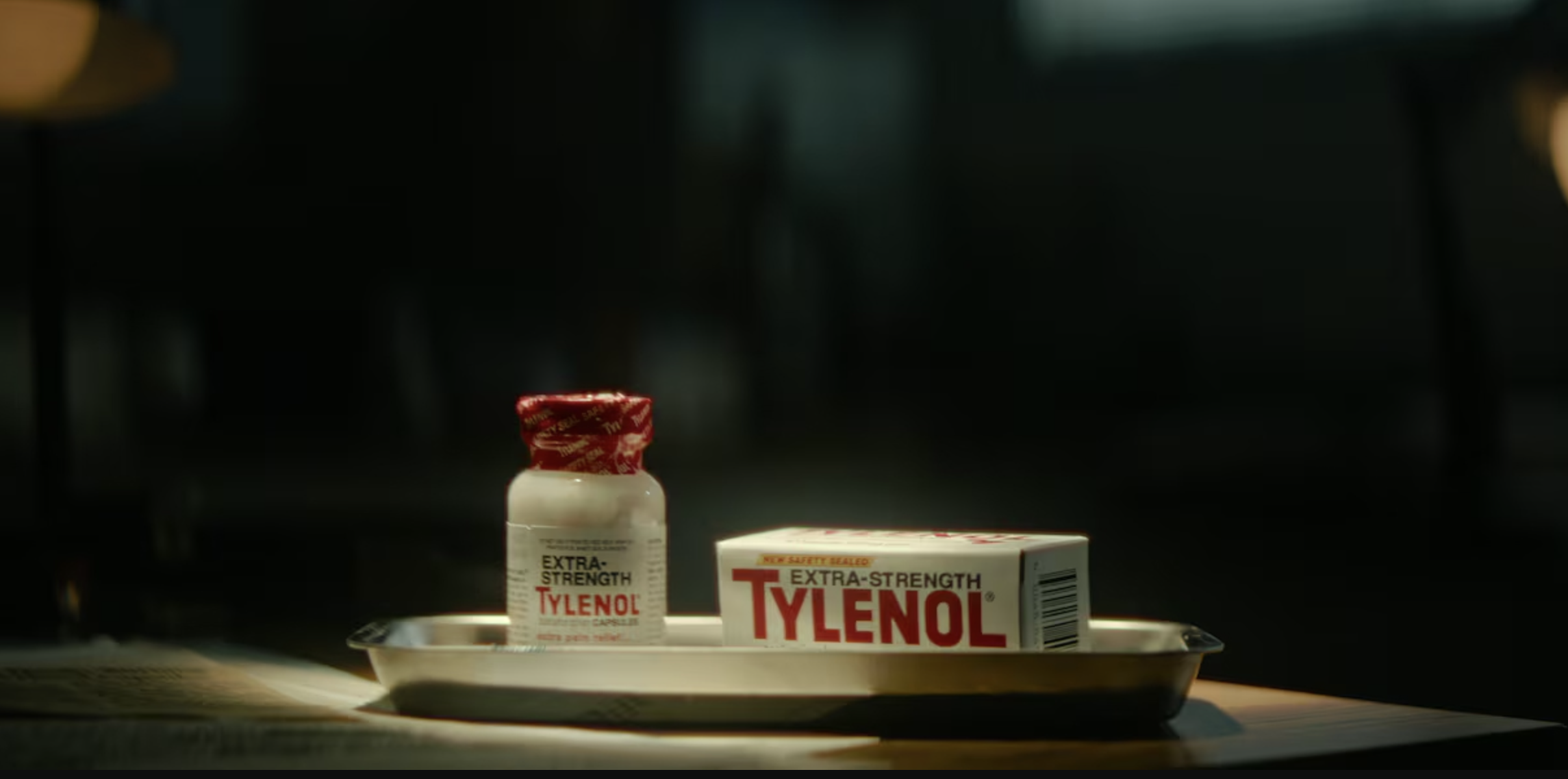
The incident sparked widespread public panic and became a turning point in how people viewed the safety of over-the-counter medications. It also led to major changes in pharmaceutical packaging and product safety regulations.
Although the documentary consists of only three episodes, it raises crucial questions throughout its runtime: Was this the work of a single individual, or were there more complex factors behind the crimes?
The production explores multiple theories, eyewitness accounts, and investigative leads while reconstructing one of the longest and most challenging criminal investigations of its time—one that still leaves many questions unanswered today.
The series has received largely positive reviews from critics. Many have praised its balanced storytelling, noting that it avoids jumping to conclusions and instead presents the case from multiple perspectives. This approach allows viewers to draw their own conclusions while gaining a deeper understanding of the social, legal, and cultural impact of the tragedy.
If you enjoy true-crime documentaries based on real events—especially those centered on unsolved mysteries and their historical context—this miniseries is one of the standout titles currently available on Netflix.
Beyond recounting the case itself, the documentary encourages viewers to reflect on public trust in widely used consumer products, institutional responsibility, and the limitations of criminal investigations.