


Over the years, many Bible readers have wondered whether the countries we know today are mentioned in ancient sacred texts.
One of the cases that sparks the most curiosity is Iran, a nation that today plays an important role in global geopolitics.
What makes it interesting is that, although the name “Iran” does not appear as such in the Bible, there is a clear reference to Persia, the ancient empire that occupied much of the territory that now corresponds to modern-day Iran.
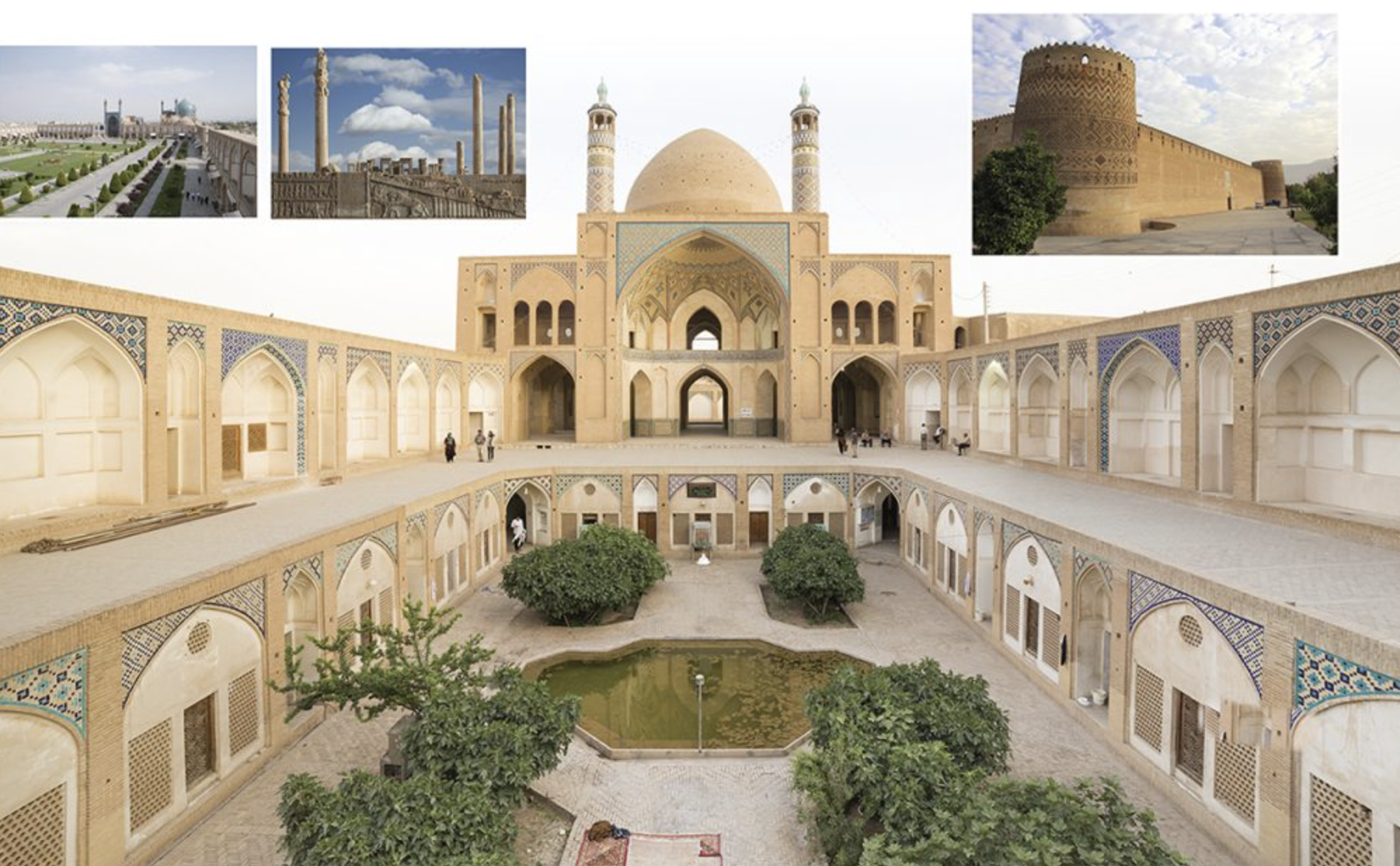
For many historians and biblical scholars, understanding these references helps explain how the world was described in ancient times—and how interpretations have evolved over the centuries.
Persia: The Ancient Name of the Territory We Now Know as Iran
For much of ancient history, the region we now call Iran was known as Persia. This powerful empire had a major political, cultural, and military influence on the ancient world.
In the Bible, Persia appears in several books of the Old Testament, especially in contexts related to the empire that dominated much of the Middle East after the fall of Babylon.
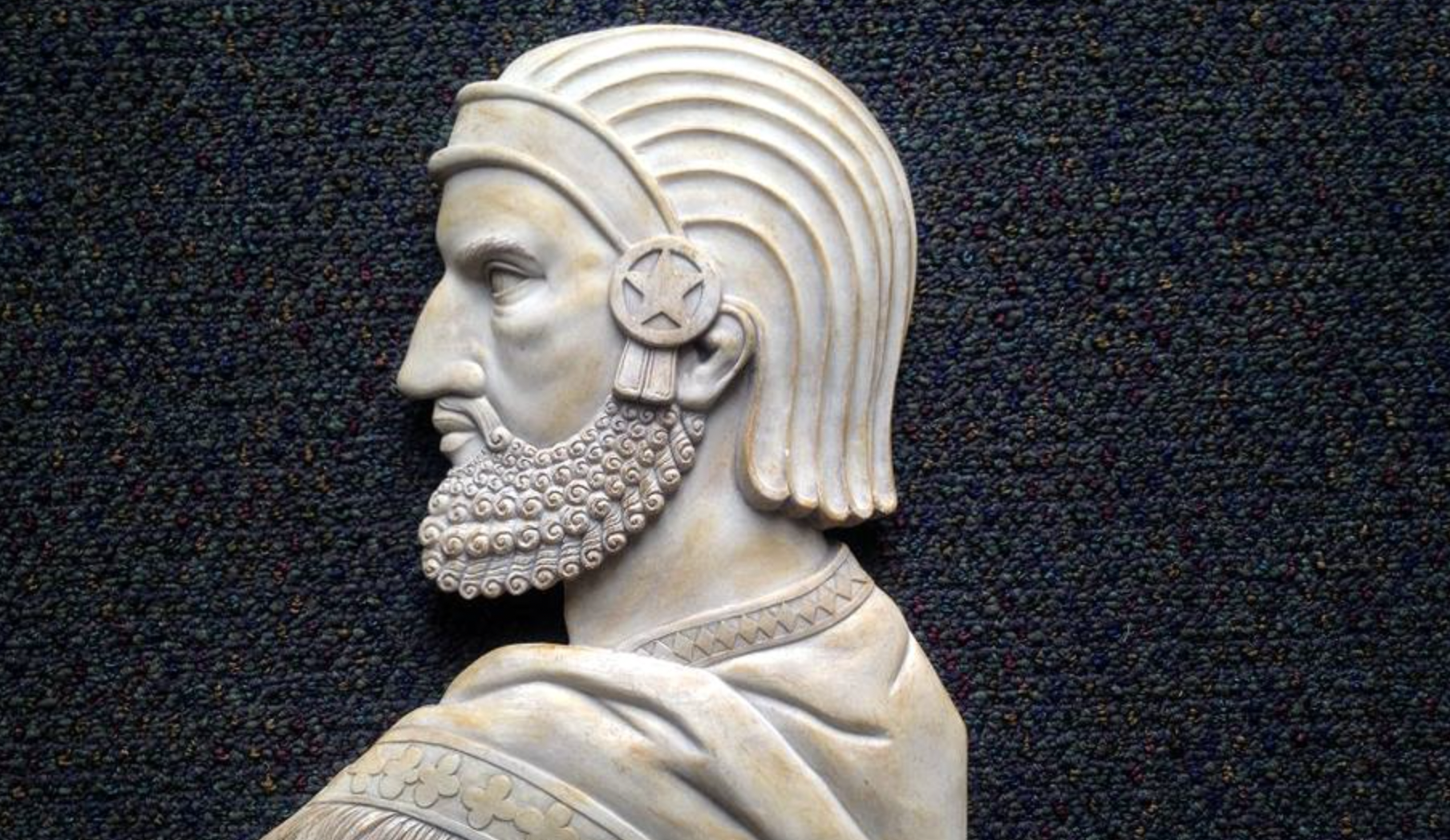
One of the most well-known historical figures of this period was Cyrus the Great, king of Persia. According to biblical texts, Cyrus allowed the Jewish people to return to Jerusalem after their exile in Babylon, making him a figure of great importance in biblical history.
This episode is mentioned in books such as Ezra, Isaiah, and Daniel, where the Persian Empire is portrayed as a major power that influenced key events of the time.
Biblical References That Mention Persia
The Bible includes several direct references to Persia and its rulers. These mentions appear mainly in historical and prophetic books of the Old Testament.
Among the most well-known passages are:
Ezra 1:1, which mentions Cyrus’ decree allowing the rebuilding of the Temple in Jerusalem.
Daniel 6, which refers to the empire of the Medes and Persians.
Esther, a full book set within the Persian Empire.
These texts reflect the role Persia played in the history of the Jewish people during the post-exile period.
Prophecies and Modern Debates About Persia (Now Called Iran)
One of the most frequently cited passages in the Bible is found in Ezekiel 38, where several ancient regions are mentioned that, according to some interpretations, could be part of alliances in future conflicts.
In that passage, the name Persia appears, which has led some modern interpreters to associate these references with present-day Iran.
However, many biblical scholars emphasize that these interpretations should be approached with caution, since the texts were written in historical contexts very different from today’s world.
History, Religion, and Geopolitics: Why This Topic Generates So Much Interest
Interest in the Bible and its prophecies has grown, largely because many readers are trying to understand whether ancient texts contain references that could relate to modern global events.
However, historians remind us that the Bible was written in a specific historical context, where the names of regions, empires, and peoples were different from those we use today.
Beyond modern interpretations, what remains clear is that Persia was one of the most influential civilizations mentioned in the Bible.
Its empire ruled vast territories, shaped the destiny of many peoples, and left a lasting impact on both history and ancient texts.
Understanding this connection allows us to see how history, religion, and culture have been intertwined throughout the centuries.