


Many people spend years, even decades, living in a rented house, paying on time, taking care of it, and even making changes to the property as if it were their own.
This raises a very common question: Do you acquire any special rights over the home over time? The answer is not as simple as it may seem, but here we explain it clearly.
What does “acquired rights” mean?
In legal terms, acquired rights are those that a person obtains through the passage of time or by meeting certain conditions established by law.
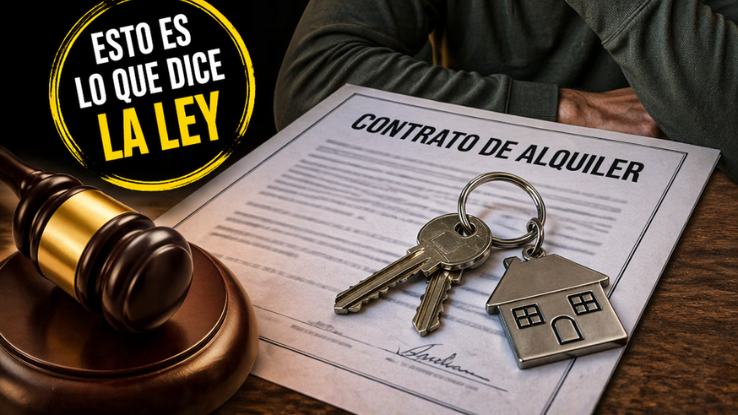
In the case of a rented home, many people believe that by living there for many years, they automatically gain some type of ownership right, but this is not always the case.
Living in a rented home for many years does NOT make you the owner
Even if you have lived in a property for 5 years, 10 years, 20 years, or more, that does not make you the legal owner of the property.
A rental is a contract in which the landlord remains the owner, while the tenant has the right to use the home under certain conditions. In other words, time alone does not transfer ownership.
Is there any way to acquire rights over time?
Yes, but it is not automatic and it is not common. It depends on very specific situations, such as the ones listed below.
1. Adverse Possession
This is the only situation where time may work in your favor. Adverse possession may allow someone to acquire ownership if they have occupied the property for many years, usually 20 years or more, in a public, peaceful, and continuous way, acting as the owner and not as a tenant, and there was no active rental agreement.
IMPORTANT: If you are paying rent, this does NOT apply, because you are recognizing that there is an owner.
2. Rights under the rental agreement
Even if you are not the owner, you may still have important rights as a tenant, such as the right to remain in the property for the agreed period, protection against arbitrary evictions, the possibility of renewal under certain conditions, and compensation in some cases.
These rights depend on the laws of each country.
3. Improvements made to the property
If you invested money in improvements, such as remodeling or major repairs, you may have the right to compensation, but only if it was authorized or included in the rental agreement. Without an agreement, that expense is usually not recognized.
A very common mistake
Many people believe: “After so many years, the house is practically mine.”
But legally, as long as there is a rental agreement, the landlord remains the owner. So what can you actually claim?
Even if you are not the owner, you can demand that the rental agreement be respected, that proper legal notices be given, that adequate time be provided before eviction, and that the property meet decent living conditions.
Living for many years in a rented house does not automatically give you ownership rights, but it can give you legal protection as a tenant. The key is to understand that time does not make you the owner, but the law can still protect you.
Each country has its own laws, so it is always recommended to consult a local attorney and carefully review your rental agreement. Never rely only on “what other people say.”