


The death of Hayden Panettiere at the age of 36 has shocked those who followed her career through Heroes, Nashville, and the Scream franchise.
As authorities work to officially determine what happened, statements the actress herself made public just months earlier have once again drawn attention.

Panettiere had spoken with unusual openness about some of the most difficult moments of her life. These included her struggles with alcohol, her mental health, and a troubling medical warning she said she had received.
It is important to clarify that police have not yet announced an official cause of death that would directly connect her death to her history of addiction.
What happened to Hayden Panettiere?
The actress died on Sunday, August 16, 2026, in Greenville, South Carolina, at the age of 36.

According to information provided by authorities, emergency services responded to a residence at approximately 1:50 p.m. after receiving a report of an unresponsive woman.
Emergency crews attempted to save her, but she was ultimately pronounced dead at the scene.
Police reveal what they found
Greenville Police reported that their preliminary investigation found no evidence of foul play or suspicious circumstances. However, the investigation remains open, and officials are still awaiting results that could establish exactly what caused her death.
An autopsy is expected to be performed, but the medical history Hayden chose to discuss publicly just months earlier helps explain why her death has raised so many questions.
The medical warning Hayden had received
In May 2026, just a few months before her death, Panettiere published her memoir, This Is Me: A Reckoning.

In it, she described in detail her battle with alcohol dependence and revealed one of the episodes that made her understand the seriousness of her situation.
According to the actress, a doctor warned her that if she did not stop drinking, she could die within approximately five years.
The warning came after she developed jaundice, a yellowing of the skin and eyes that can occur with certain liver problems and other medical conditions.
The actress explained that she even began researching information about liver transplants as she started to understand just how seriously her health could be affected.
Her battle with alcohol seriously affected her life
Hayden never portrayed her recovery as a simple process. In her memoir, she described how alcohol eventually became a way to temporarily escape emotional situations she found difficult to cope with.
She also spoke publicly about depression and the personal difficulties she experienced during those years. Her situation eventually led her to seek professional help.
In 2020, she entered treatment for approximately eight months, and her physical recovery was not immediate either.
Panettiere said she experienced severe symptoms during withdrawal, including anxiety, insomnia, tremors, and hallucinations.
Despite the difficulty of the process, she later described that period of treatment as a turning point that allowed her to regain stability and begin rebuilding different aspects of her life.
What can excessive alcohol consumption do to the body?
Hayden’s story also brings attention to a medical issue that affects millions of people.
Excessive and prolonged alcohol consumption can affect multiple organs and systems. The liver is particularly vulnerable because it plays a central role in processing alcohol.
Over time, heavy alcohol consumption can be associated with fat buildup in the liver, inflammation, fibrosis, and, in some people, advanced liver damage.
Excessive alcohol use is also associated with cardiovascular problems, digestive disorders, neurological impairment, sleep disturbances, and an increased risk of certain mental health problems.
When physical dependence is present, suddenly stopping alcohol consumption can also trigger withdrawal syndrome, which in severe cases requires medical supervision.
That is precisely why treating addiction is not simply a matter of having “willpower.” It may require medical evaluation, specialized treatment, psychological therapy, and long-term follow-up.
She also experienced postpartum depression
Panettiere’s struggles were not related solely to alcohol. After the birth of her daughter Kaya in 2014, the actress spoke publicly about her experience with postpartum depression.
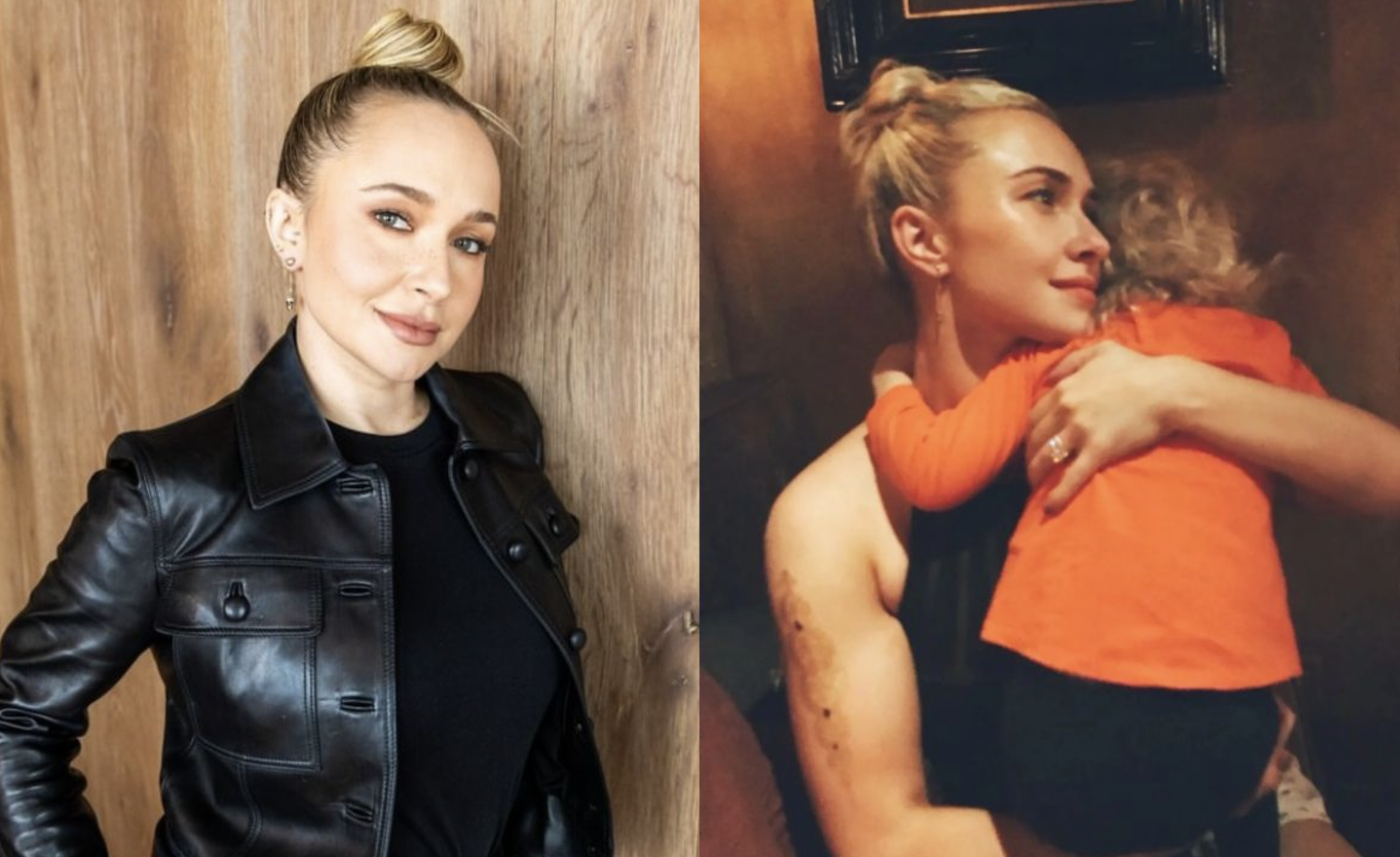
Over the years, she acknowledged going through particularly difficult periods involving her mental health and personal life.
By speaking publicly about these experiences, Panettiere became one of the celebrities who helped raise awareness about a reality many women experience after pregnancy.
Postpartum depression is a medical condition that may require professional treatment and should not be confused with ordinary fatigue or temporary emotional changes that can occur after the birth of a baby.
A career that began when she was still a child
Long before becoming an internationally recognized figure, Hayden was already working in front of the cameras. She began her career at a very young age and later appeared in productions such as One Life to Live.
Her major international breakthrough came with the role of Claire Bennet in Heroes, the popular series that premiered in 2006, in which she portrayed a cheerleader with the ability to regenerate.

Years later, she landed another of the most important roles of her career as Juliette Barnes in Nashville.

The role allowed her to combine acting and music and earned her two Golden Globe nominations. She also appeared in films such as Remember the Titans and starred in Scream 4 and Scream VI.
Paradoxically, while her career projected an image of success, away from the cameras she was dealing with struggles that would take her years to publicly discuss.
The loss of her brother also deeply affected her life
Hayden had faced another particularly painful loss just a few years earlier.
Her younger brother, Jansen Panettiere, died in February 2023 at the age of 28. His family later reported that his death was related to cardiomegaly accompanied by complications involving the aortic valve.
His death became another deeply personal experience she addressed during the period in which she was trying to rebuild her life and speak openly about mental health, grief, and recovery.
As authorities await definitive results regarding the actress’s untimely death, her story also leaves an important message: addiction and mental health conditions deserve professional treatment and continued care, even when, from the outside, it may appear that someone has completely rebuilt their life.