


A gas explosion at the Liushenyu coal mine, located in Qinyuan County, Shanxi Province, China, left 82 workers dead, two missing, and 128 people medically affected, according to the most recent official reports.
The incident occurred on the night of Friday, May 22, 2026, when 247 workers were underground. Chinese authorities opened an investigation to determine the causes of the accident and establish possible responsibilities.
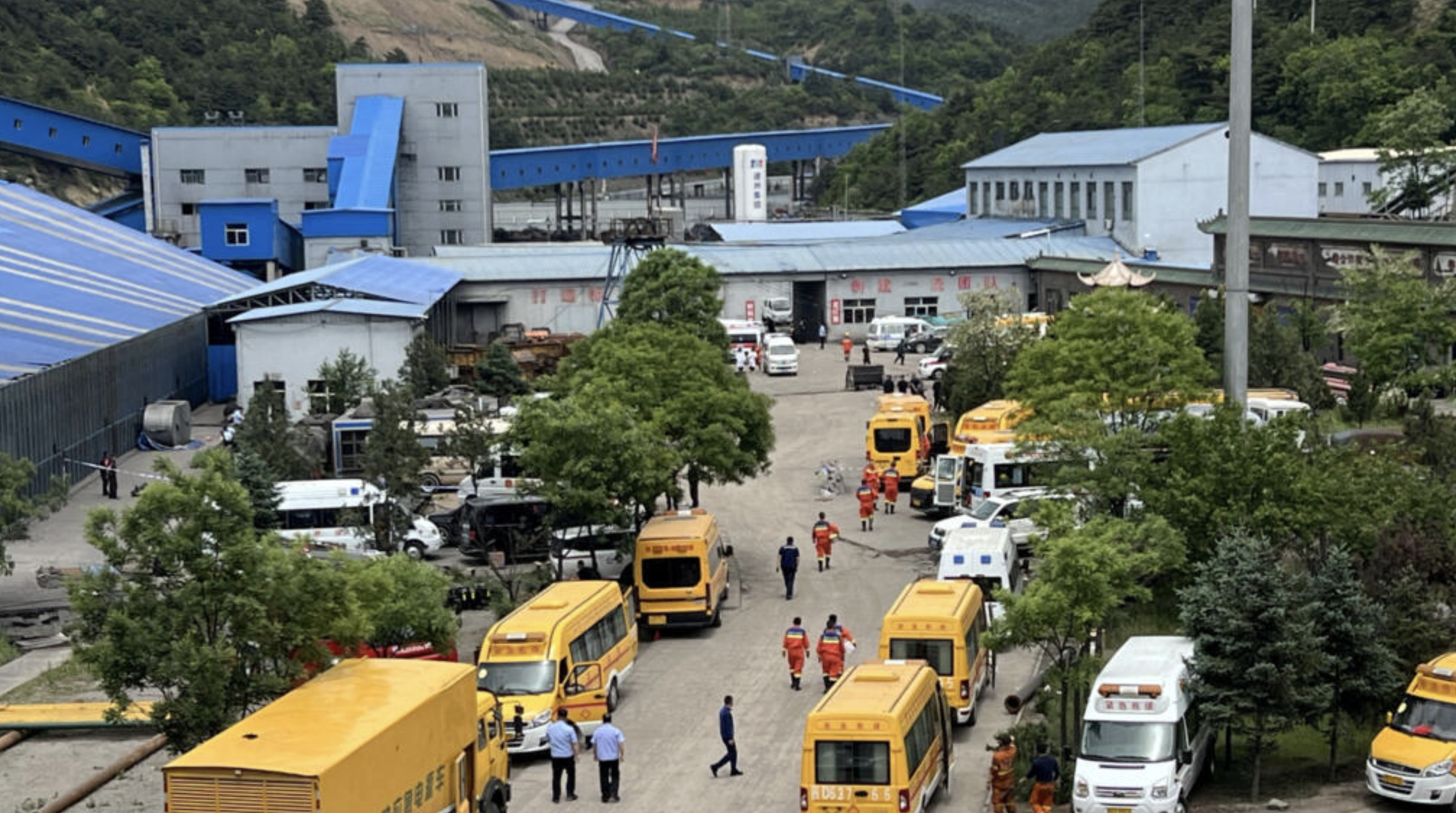
In the first few hours, the number of victims varied due to the confusion following the incident and difficulties in accurately verifying the records of the personnel who were inside the mine.
Investigation into Possible Safety Failures
According to preliminary reports, the investigation is focused on possible safety violations by the mine operator.
One of the points under review is that the maps submitted by the company did not fully match the actual layout of some underground areas, a situation that may have made rescue efforts more difficult.
The Liushenyu mine belongs to Shanxi Tongzhou Coal Coking Group. After the accident, operations at its four mines were suspended as a preventive measure, while several company executives were placed under the control of authorities during the investigation process.
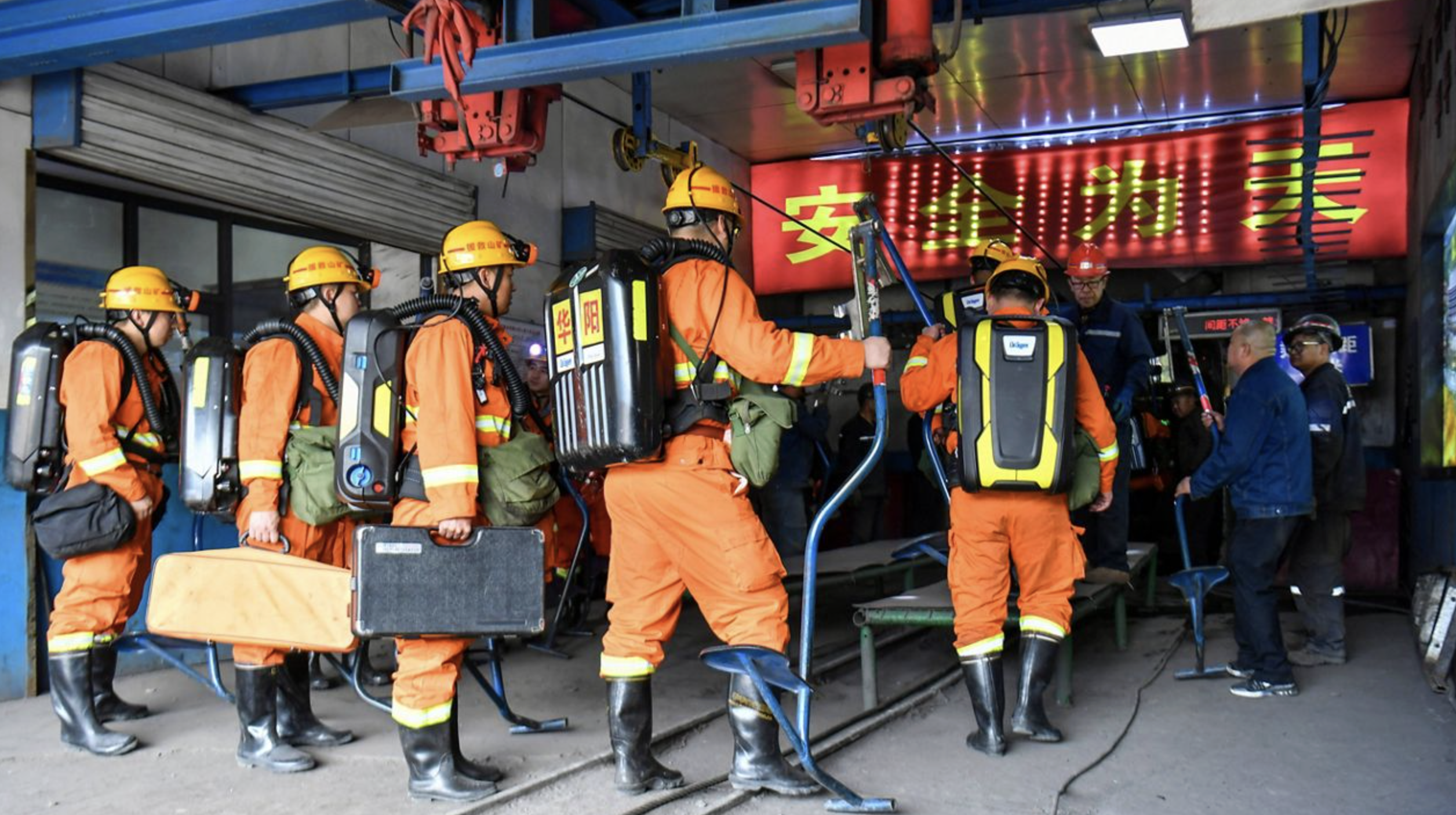
Chinese President Xi Jinping called for every necessary effort to treat the injured, continue the search for the missing, and carry out a full investigation.
Authorities also ordered stronger safety inspections across the mining sector, especially at facilities with risks related to gas buildup, ventilation, and underground conditions.
Beyond the numbers, the accident represents a profound loss for dozens of working families and for the local mining community.
In regions where mining is an important source of employment, an incident of this magnitude directly affects households, local communities, and workers who depend on this activity.
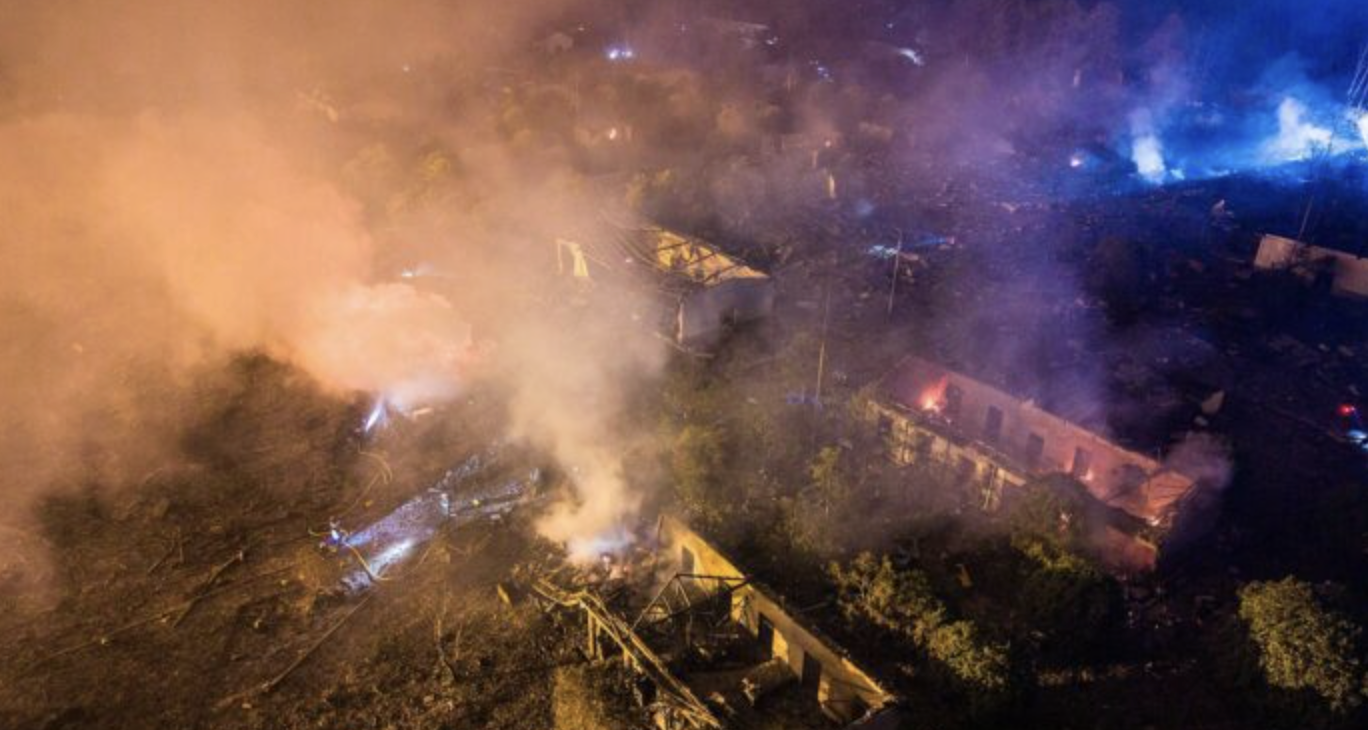
For that reason, coverage of this case requires respect and responsibility. The immediate priority remains treating the injured, locating the missing, supporting the affected families, and clarifying whether there were failures that could have been prevented.
Economic Impact on the Coal Industry
Shanxi is one of China’s most important provinces for coal production, so the suspension of operations and the new inspections could place temporary pressure on local production.
Reuters reported that the Liushenyu mine had an annual capacity of 1.2 million tons, within an industry that remains key to the country’s energy supply.
Although a single accident does not necessarily change the energy market immediately, it can raise operating costs for mining companies.
After an incident of this magnitude, companies often face greater requirements for ventilation, gas monitoring, updated underground maps, emergency systems, and regulatory compliance.
The case also increases pressure on the coal industry to balance production, workplace safety, and corporate responsibility. In high-risk sectors, economic efficiency cannot come before worker protection.
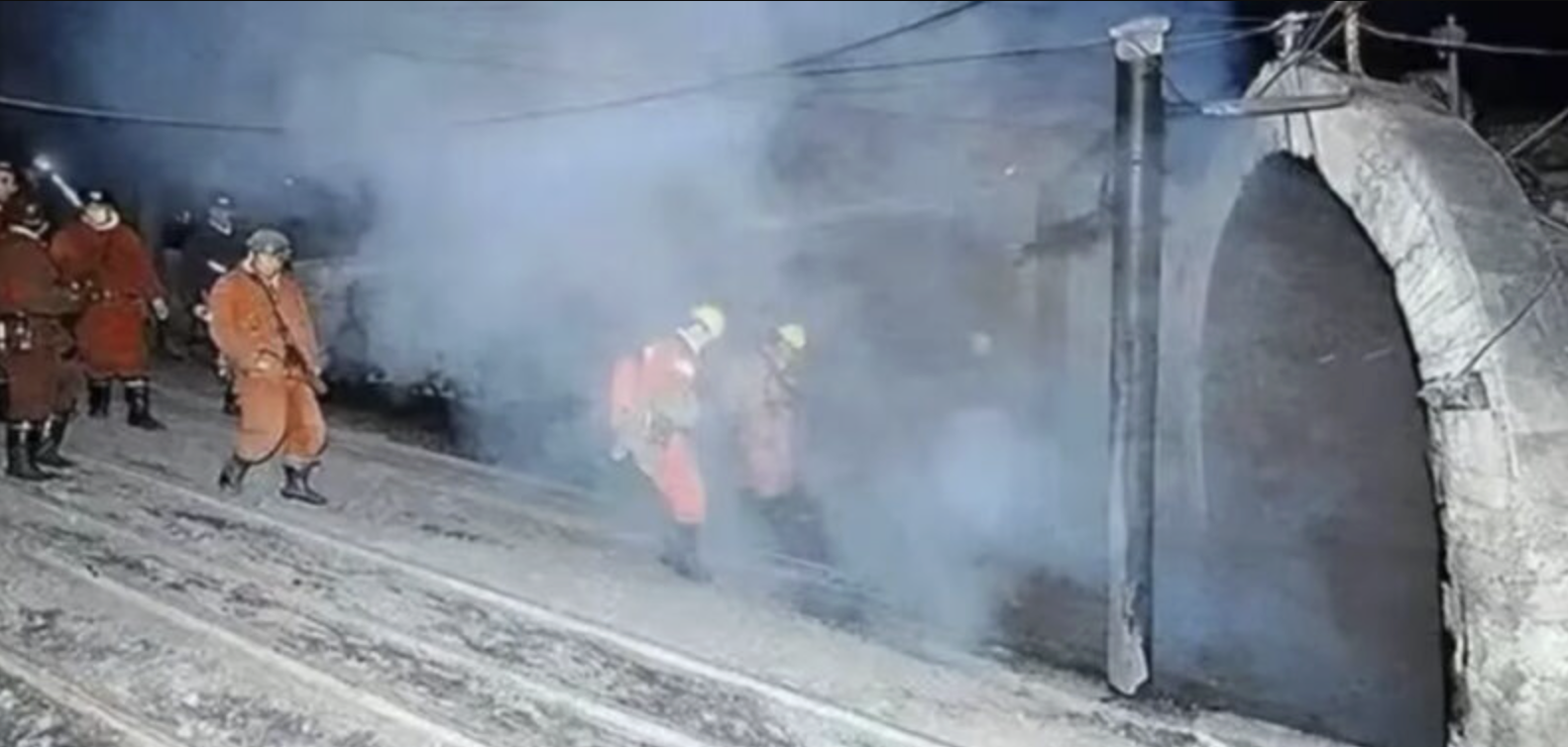
The official investigation will have to determine exactly what happened at the Liushenyu mine and whether there was negligence or operational failures.
Meanwhile, the case once again highlights the importance of mining safety in China and the need to strengthen controls in an essential but highly risky industry.