


If you’ve ever felt a strange sensation in your throat and, after coughing, noticed a small whitish or yellowish lump with a very unpleasant smell, you’ve likely experienced what is known as a tonsil stone.
Also called tonsilloliths, these deposits can be uncomfortable, although in most cases they are not a serious health risk. However, if not properly managed, they can cause recurring discomfort, affect oral hygiene, and lead to persistent bad breath.
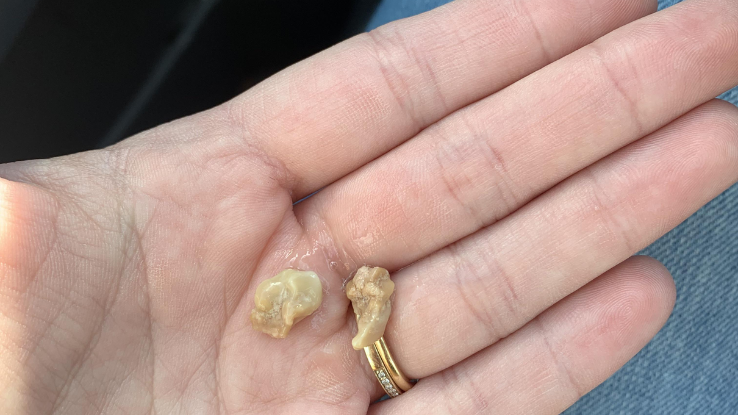
Tonsil stones are small hardened formations that develop in the tonsil crypts—natural folds in the tonsils that can trap food particles, dead cells, and bacteria. Over time, these substances harden due to calcium salts found in saliva, forming these small stones.
In many cases, people expel them naturally without even noticing. In other situations, they may cause more noticeable and persistent symptoms. The tonsils, located at the back of the throat, are part of the immune system and help trap microorganisms to prevent infections.
However, because of their folds and cavities, they can sometimes retain debris that may harden if not removed in time. This buildup and its later calcification lead to the formation of tonsil stones. Their development is often linked to factors such as poor oral hygiene, chronic tonsil infections, and individual anatomy (some people have deeper crypts that make buildup easier).
One of the most common symptoms is bad breath, since tonsil stones contain bacteria and debris that produce a strong odor that is difficult to eliminate with brushing or mouthwash alone.
To prevent them, it’s important to maintain good oral hygiene. Brushing your teeth and tongue after every meal, using dental floss, and antibacterial mouthwash can help reduce buildup and prevent tonsil stones. Staying well hydrated and limiting foods that may leave residue in the tonsils is also recommended.
If tonsil stones have already formed, there are different ways to treat and remove them. They often come out on their own when coughing or eating certain foods. You can also help remove them with saltwater rinses or oral irrigators.
In cases where the stones are larger or persistent, it’s best to consult a healthcare professional for safe removal, avoiding the risk of infection or injury from trying to remove them yourself.
In more severe cases, when tonsil stones cause repeated infections or significantly affect quality of life, a specialist may consider removing the tonsils (tonsillectomy). This option is usually reserved for cases that do not improve with other treatments.
Although tonsil stones are usually not dangerous, they can be uncomfortable and affect oral health. Maintaining good hygiene and seeking medical advice if symptoms persist are the best ways to prevent and manage them.